info@charismahost.com
 Hosting Flash Sale: Starting at Rs. 500/month for a limited time
 Live Chat
 Login
Login


Web Hosting: The Ultimate Guide to Reliable and Fast Website Hosting
In today’s digital world, every website needs a strong foundation to stay online and perform smoothly. That foundation is called web hosting. Whether you’re launching a personal blog, business website, or e-commerce store, choosing the right hosting service is critical for success. In this guide, you’ll learn what web hosting is, how it works, different types of hosting, and how to choose the best solution for your website.
What Is Web Hosting?
Web hosting is a service that allows you to publish your website on the internet. When you buy hosting, you rent space on a server where all your website files, images, databases, and content are stored. When someone types your domain name into a browser, your hosting server delivers your website content to their screen within seconds. Without hosting, your website cannot exist online.
Sohail
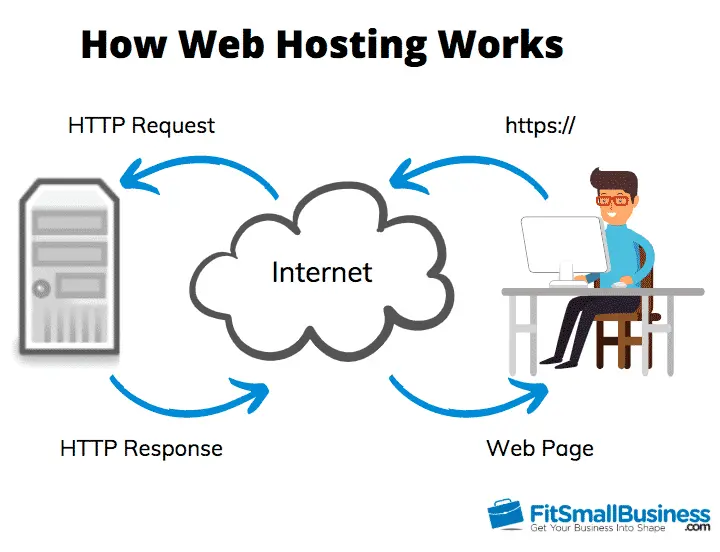
How Does Web Hosting Work?
Here’s a simple explanation:

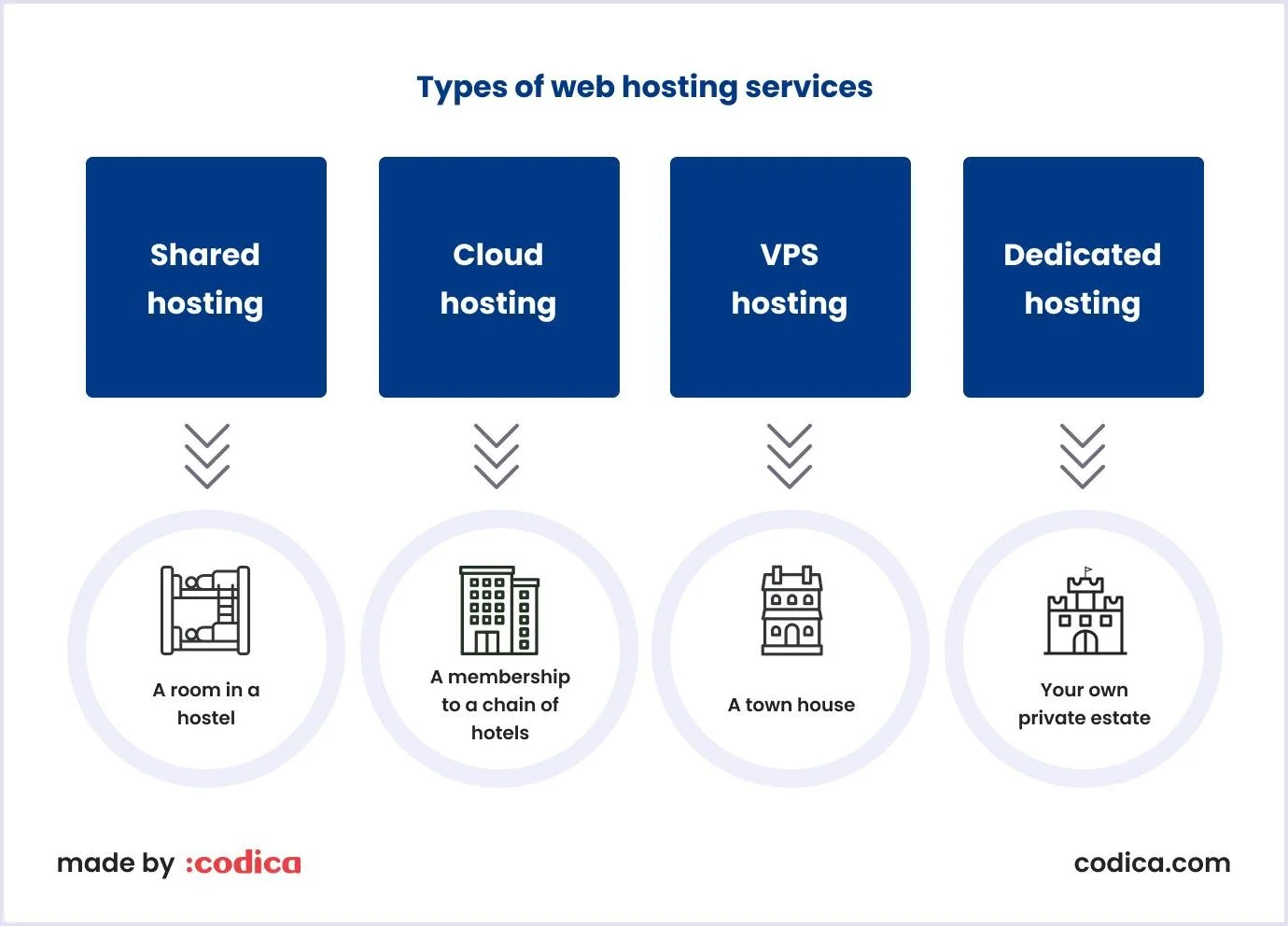
Types of Web Hosting
1. Shared HostingMultiple websites share the same server resources.
Affordable
Beginner-friendly
Best for small websites
2. VPS Hosting
A physical server divided into private virtual servers.
Better performance
More control
Ideal for growing websites
3. Dedicated Hosting
One entire server dedicated to your website.
Maximum performance
High security
Best for large traffic websites
4. Cloud Hosting
Your website runs on multiple connected servers.
Highly scalable
Reliable
Great for businesses